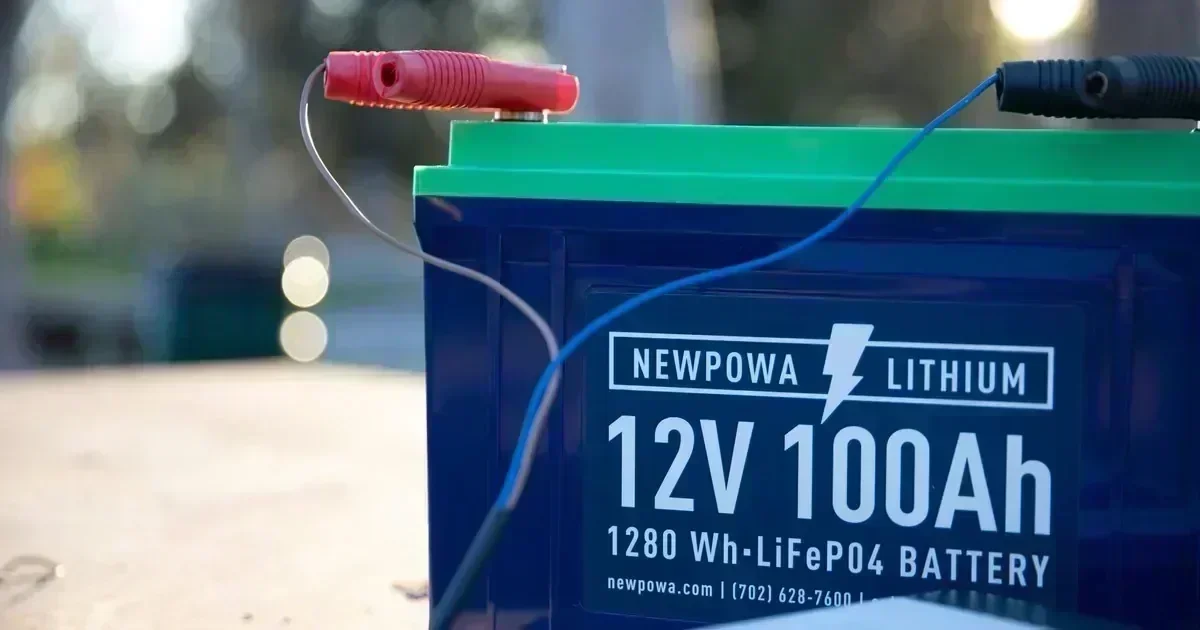
When planning a residential solar energy system in the Philippines, choosing the right battery storage is just as important as selecting your solar panels or inverter. For years, traditional lead-acid and tubular batteries dominated the market due to their lower initial cost. However, Lithium Iron Phosphate (LiFePO4) technology has rapidly become the gold standard for modern solar setups.
1. Lifespan and Cycle Durability
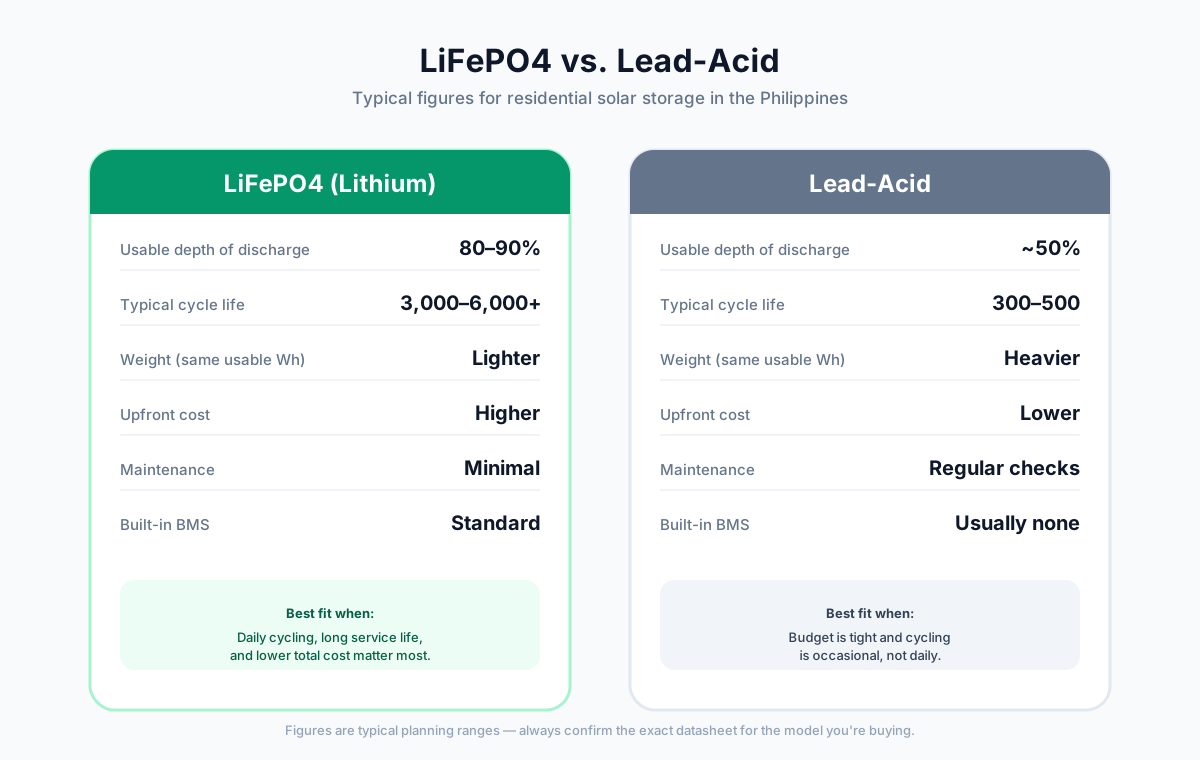
The most significant advantage of LiFePO4 batteries is their longevity. A standard lead-acid battery typically delivers around 300 to 500 charge cycles before its capacity degrades significantly. In contrast, a high-quality LiFePO4 battery pack equipped with a Battery Management System (BMS) can easily last between 4,000 to 6,000+ cycles. This means a single LiFePO4 battery can outlive multiple replacements of a lead-acid system. For the next planning step, see solar battery runtime guide. For a personalized system check, use the CalcSolarPH solar calculator.
2. Usable Depth of Discharge (DoD)
Depth of Discharge refers to how much energy you can safely drain from a battery without damaging its internal cells.
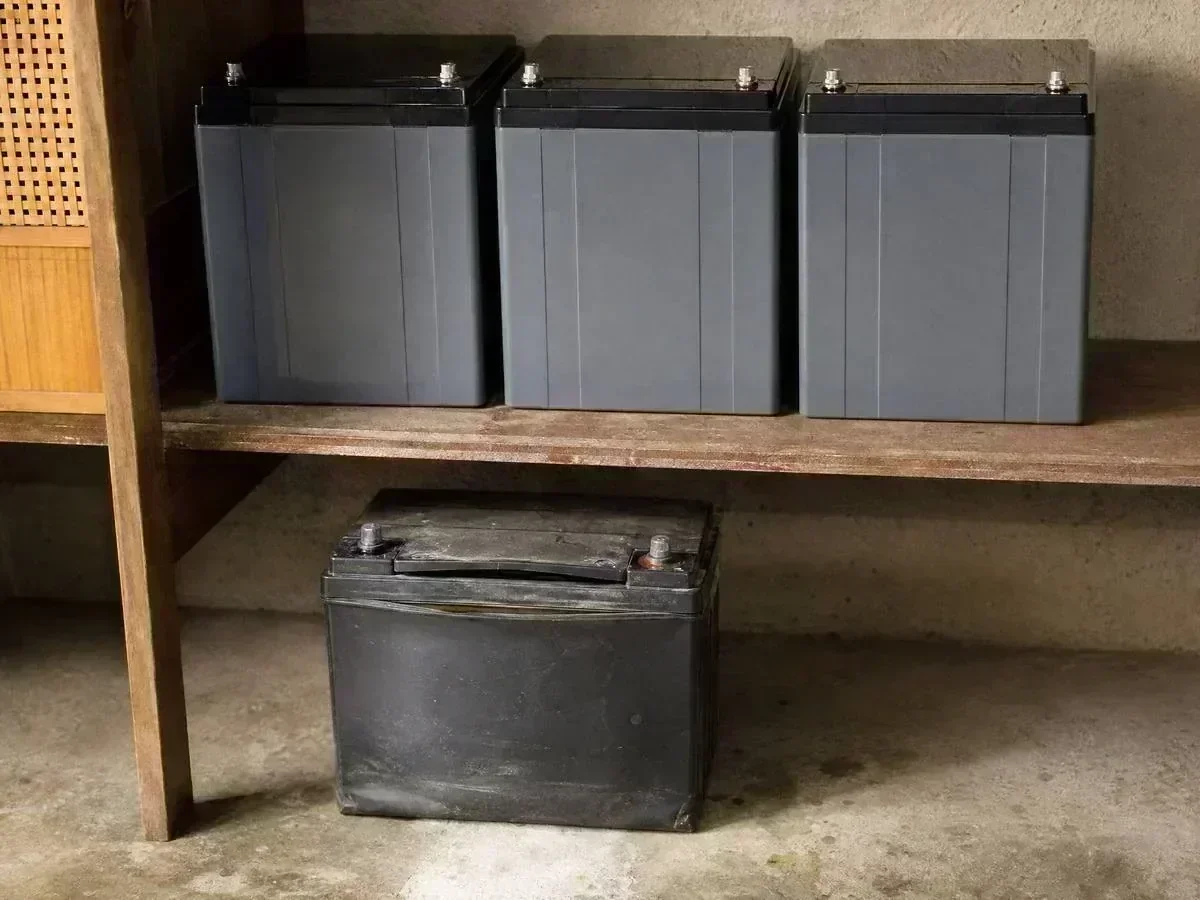
- Lead-Acid Batteries: Safe DoD is limited to about 50%. Draining them further drastically shortens their lifespan.
- LiFePO4 Batteries: Offer a safe DoD of 80% to 90%, meaning you can utilize almost all of your stored energy without harming the system.
3. Safety and Maintenance in Tropical Climates
The Philippines experiences high ambient temperatures, which can accelerate wear and tear on energy storage systems. Lead-acid batteries require regular maintenance (checking water levels) and emit hazardous gases if overcharged. LiFePO4 batteries are completely sealed, maintenance-free, highly stable under high temperatures, and feature built-in protection against overcharging, short-circuits, and overheating.
Summary: Long-Term Value
While lead-acid batteries are cheaper upfront, their short lifespan and frequent replacements make them more expensive in the long run. Investing in LiFePO4 ensures reliable nighttime power backup, lower maintenance overhead, and a better return on investment (ROI) for your household solar system.
Curious how a battery fits into your overall system design? Start with our solar inverter and panel sizing guide, estimate your payback with our solar ROI calculator guide, or browse our curated LiFePO4 battery catalog with current Philippine prices. For the next planning step, see solar battery-bank safety guide.
Usable Capacity Matters More Than the Label
A battery’s advertised amp-hours or kilowatt-hours are not the same as the energy you should routinely use. Usable capacity depends on the recommended depth of discharge, inverter efficiency, temperature, battery-management system, and the manufacturer’s warranty. Comparing a LiFePO4 battery with a lead-acid battery only by purchase price can therefore produce a misleading result. For the next planning step, see LiFePO4 battery buying guide.
LiFePO4 strengths
LiFePO4 batteries are often selected for frequent cycling because they can offer high usable capacity, lower routine maintenance, and a compact form factor. They still require correct charging, ventilation, protection, temperature limits, and a compatible battery-management system. Installation quality matters as much as chemistry.
Lead-acid strengths and trade-offs
Lead-acid batteries can have a lower upfront price and are widely understood by installers. They are heavier, generally need more attention to charging and ventilation, and may provide less usable energy if operated conservatively. Flooded and sealed designs also have different installation requirements.
How to Choose for a Philippine Home
Choose based on outage frequency, daily cycling, available battery room, ventilation, budget, replacement plan, and the support available for the exact model. Homes that need daily backup may value cycle life and usable capacity more than the lowest initial price. Occasional emergency backup may justify a different trade-off, particularly when budget is the main constraint. For the next planning step, see essential-loads backup guide.
Frequently Asked Questions
Is LiFePO4 always the better choice?
Not automatically. It is often attractive for frequent cycling, but price, compatibility, temperature, installation, warranty, and service support must be considered together.
Can I mix different battery chemistries?
Do not mix chemistries, ages, capacities, or models unless the manufacturer and a qualified designer explicitly approve the configuration. Mismatched batteries can charge and discharge unevenly and create safety or performance problems.
Choose the battery from the job, not just the chemistry
Battery chemistry is only one part of the decision. For a Philippine home, compare usable energy, continuous discharge capability, cycle expectations, temperature and installation requirements, BMS protections, warranty terms, replacement availability, and the inverter's battery-voltage compatibility.
| Question | Why it matters |
|---|---|
| How much energy is actually usable? | Nominal kWh is not the same as energy you should routinely discharge. |
| What is the required discharge power? | A battery can have enough kWh but still be unable to support a large inverter load. |
| How will it be monitored and protected? | The BMS, inverter settings, fusing, isolation, and installation all affect safety and service life. |
| What happens when it needs replacement? | Warranty support and locally available compatible replacements matter over the system's lifetime. |