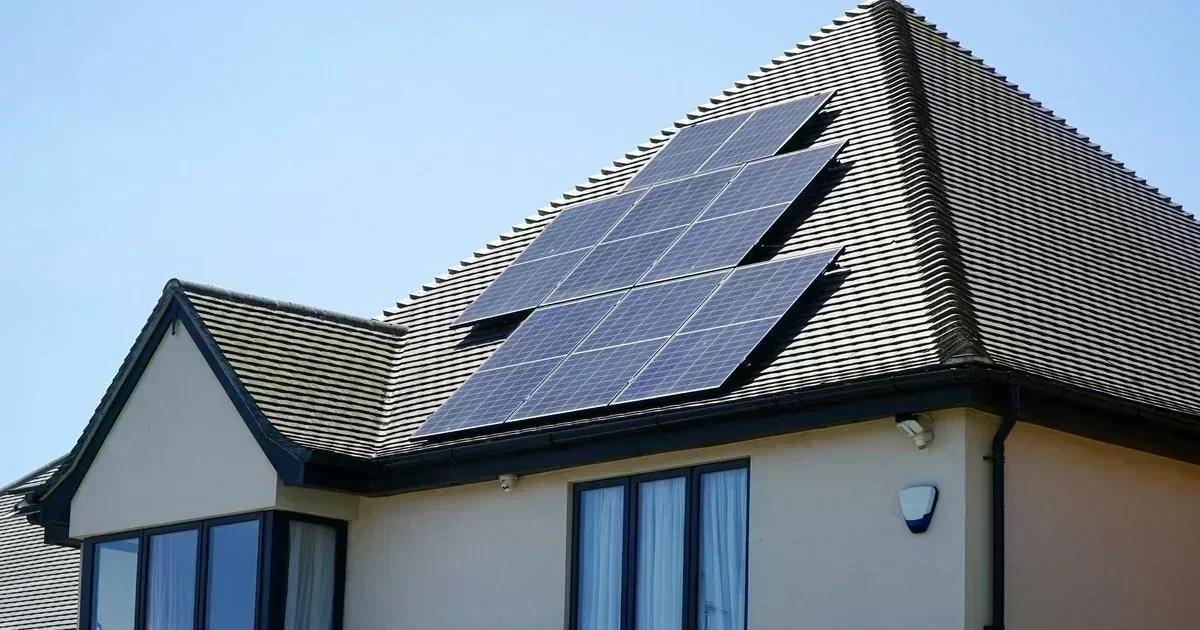
The Philippines' hot, humid, and dusty climate, combined with an annual typhoon season, makes routine maintenance essential for keeping a rooftop solar system running at peak efficiency. Fortunately, most upkeep tasks are simple and don't require frequent professional visits. For the next planning step, see solar warranty records guide.
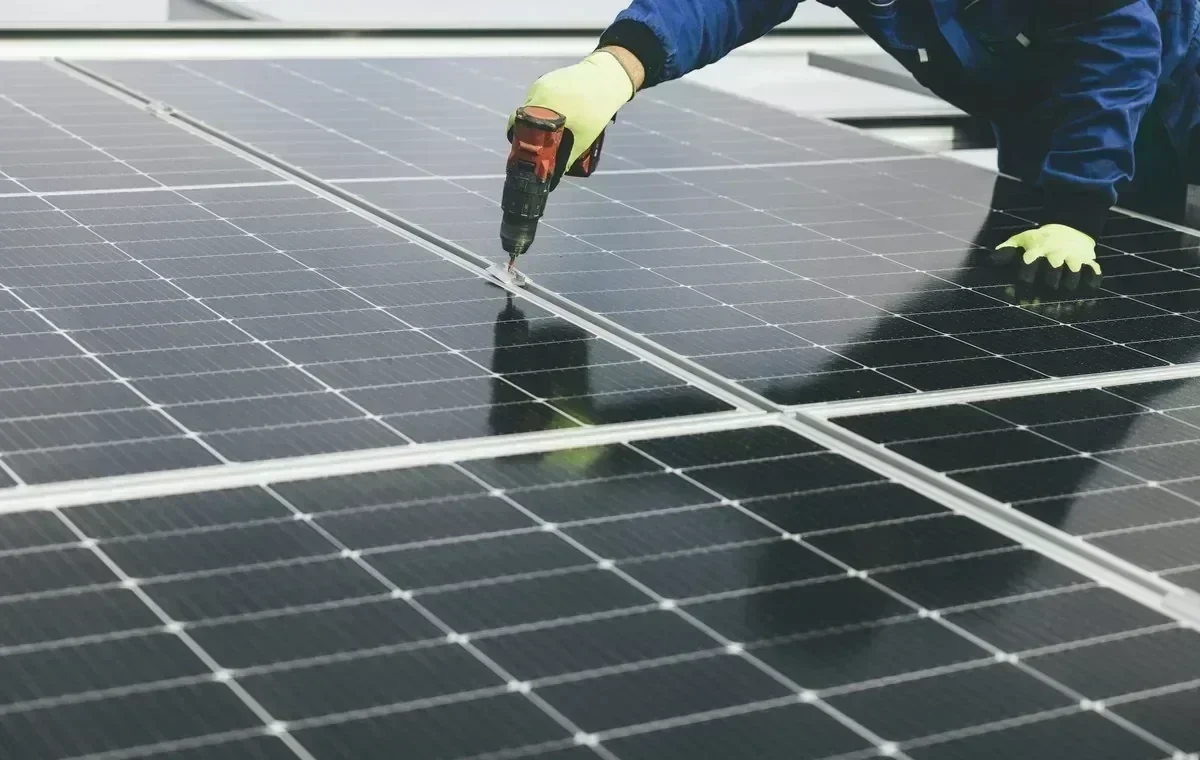
1. Regular Panel Cleaning
Dust, pollen, bird droppings, and soot buildup can reduce panel output by 5% to 20% over time. Rinse panels with clean water and a soft brush every 4 to 6 weeks, ideally early morning or late afternoon to avoid thermal shock from cold water on hot glass. For the next planning step, see solar installation handover checklist. For a personalized system check, use the CalcSolarPH solar calculator.
2. Inspect Mounting Hardware After Storms
After any strong typhoon or heavy windstorm, visually check that mounting rails, bolts, and roof brackets remain secure. Loose hardware is one of the most common causes of panel damage during subsequent storms. See our typhoon-proofing guide for full structural recommendations.
3. Monitor Inverter Performance
Most hybrid inverters include an app or WiFi dongle that reports daily energy production. A sudden, unexplained drop in output often signals a dirty panel, a loose connection, or partial shading. Catching it early prevents bigger losses. For the next planning step, see solar monitoring guide.
4. Keep Battery Compartments Ventilated
LiFePO4 batteries are heat-tolerant but still perform best in a shaded, ventilated area. Avoid installing battery cabinets in direct afternoon sun or fully sealed enclosures without airflow.
5. Schedule an Annual Professional Checkup
Even with good self-maintenance, an annual inspection by a certified installer helps catch wiring degradation, connector corrosion, and BMS issues before they become costly problems. A well-maintained system also keeps your savings on track. Use our solar calculator anytime to re-check your projected ROI.
Maintenance Checklist for Philippine Conditions
Solar panels in the Philippines operate in heat, humidity, heavy rain, dust, salt air, and occasional severe storms. Maintenance should therefore cover both energy performance and physical safety. Keep records of inverter output, inspect accessible cable routes, look for new shade from trees, and check for roof leaks after major weather events. Compare performance over similar weather periods instead of reacting to one cloudy day. For the next planning step, see solar system maintenance guide.
After a typhoon or severe storm
From the ground, check for visibly shifted panels, cracked glass, hanging cables, damaged conduits, loose debris, water entry, and unusual inverter alarms. Do not touch exposed wiring or climb a wet roof. If anything appears damaged, isolate the area and contact a qualified solar professional.
Protect the Inverter and Battery Area
Inverters and batteries need adequate clearance, airflow, protection from direct water, and a clean environment. Do not block ventilation openings or store combustible materials around electrical equipment. Battery maintenance depends on the chemistry and manufacturer; never apply lead-acid maintenance routines to lithium systems without checking the manual.
Frequently Asked Questions
What is the first sign of a solar problem?
Common warning signs include a sustained production drop, repeated inverter alerts, hot or discolored connectors, water intrusion, unusual sounds, or visible physical damage. Confirm the pattern before assuming the panels themselves have failed.
Does rain clean solar panels enough?
Rain can remove loose dust but may not remove bird droppings, oily deposits, salt, or dried dirt. Inspect the panels and use safe cleaning procedures when the site conditions justify it.
A practical maintenance schedule for Philippine conditions
Maintenance should be condition-based rather than a rigid promise that every roof needs the same cleaning interval. Dust, salt air, bird droppings, nearby trees, construction activity, and long dry periods can change how quickly panels accumulate soiling.
- After severe weather: visually check for cracked glass, displaced panels, loose-looking hardware, water intrusion, or damaged cable routes from ground level where possible.
- During dry or dusty periods: compare production trends before deciding whether cleaning is worthwhile.
- Every few months: review inverter alarms, generation history, and any unusual changes in output.
- Before electrical work: use the system's documented shutdown/isolation procedure rather than improvising around live DC equipment.
If output falls, first separate normal weather variation from persistent underperformance. Comparing the system with the same season's historical production is more useful than judging one cloudy day.