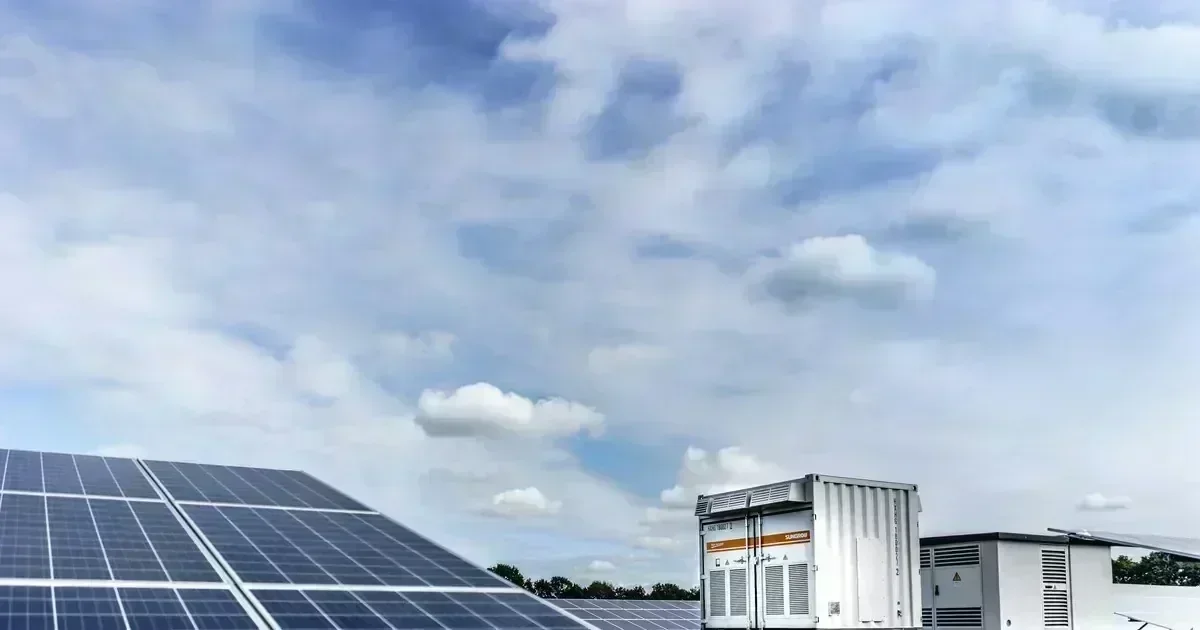
Beyond the sticker price of panels and inverters, one of the biggest factors that determines whether solar makes financial sense for your household is how you pay for it. First, get an accurate system cost estimate with our free solar calculator, then choose a financing route from the options below. For the next planning step, see solar panel buying guide.
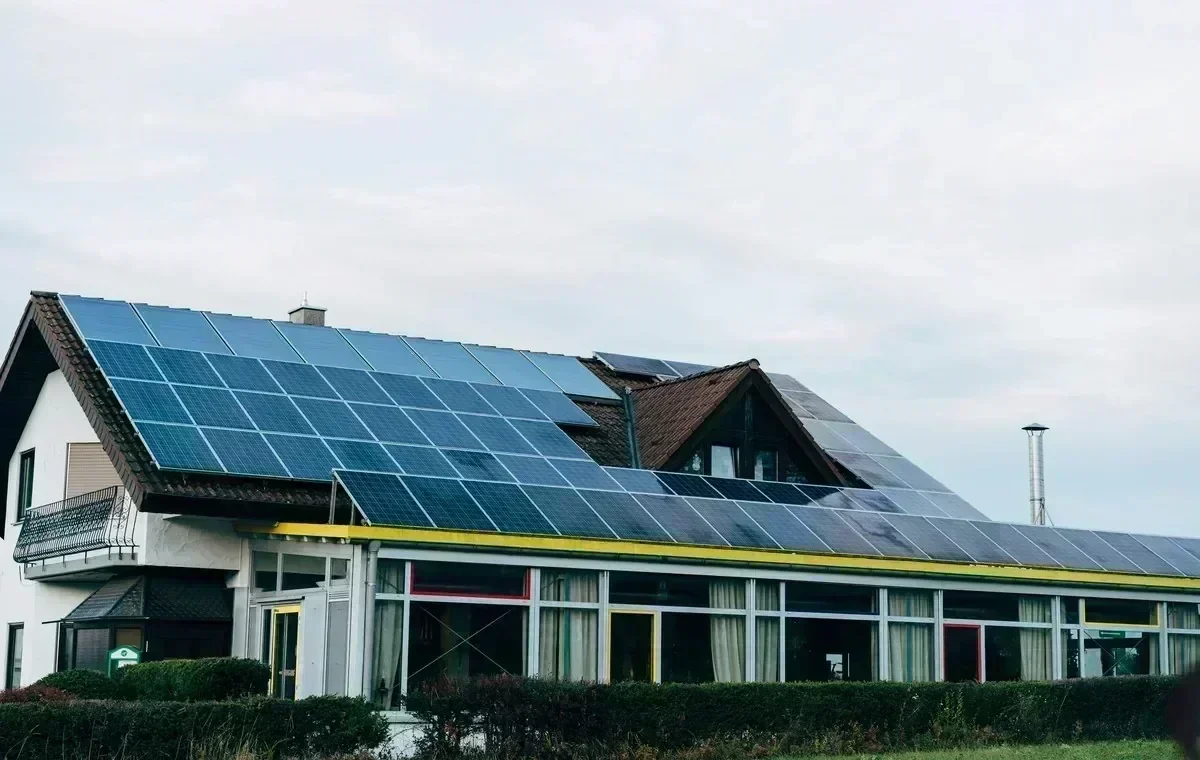
1. Cash Purchase
Paying upfront remains the cheapest path overall since you avoid interest entirely, and it usually unlocks the fastest payback period. The tradeoff is a large one-time outlay, which isn't realistic for every household. For the next planning step, see solar ROI and payback guide. For a personalized system check, use the CalcSolarPH solar calculator.
2. Bank and Cooperative Solar Loans
Several Philippine banks and electric cooperatives now offer dedicated solar or "green" loan products, typically with lower interest rates than personal loans since the system itself can serve as informal collateral. Loan terms commonly range from 2 to 5 years. For the next planning step, see solar panel brands guide.
3. Installer Financing / In-House Installment Plans
Many solar installers partner with financing companies to offer 0% or low-interest installment plans directly at the point of sale. These are convenient, but it's worth comparing the effective interest rate against a bank loan before committing, especially on larger systems like the 5kW+ setups common for whole-home backup.
4. Solar Leasing and Power Purchase Agreements (PPAs)
Under a lease or PPA, a third party owns the system installed on your roof, and you simply pay a fixed monthly fee or a per-kWh rate for the power produced, often lower than your current utility rate. This model is still emerging in the Philippines but is gaining traction for larger residential and commercial rooftops.
5. Government and Utility Incentive Programs
The Renewable Energy Act (RA 9513) provides incentives such as duty-free importation and tax exemptions for renewable energy developers, though most of these apply to registered RE developers rather than individual homeowners. On the utility side, net metering remains the most accessible incentive for residential solar owners: it directly boosts the savings that pay off your loan faster.
Choosing the Right Path for You
If you can comfortably pay in cash, it remains the most cost-efficient route long-term. If financing is necessary, compare the total interest cost across bank loans, installer plans, and leasing before signing, and always run the numbers through our payback period calculation to confirm the math still works in your favor. For the next planning step, see solar inverter buying guide.
Compare Solar Financing by Total Cost
When comparing cash purchase, bank financing, cooperative loans, installer installment plans, leasing, or a power-purchase arrangement, compare the total amount paid, not only the monthly payment. Ask whether the quoted price includes design, permits, protection devices, installation, monitoring, commissioning, service visits, and replacement provisions. A lower monthly payment can still cost more over the full term.
Questions to ask an installer or lender
Request the annual percentage rate or equivalent financing cost, fees, early-payment conditions, late-payment penalties, ownership of the equipment, warranty responsibility, insurance requirements, and what happens if the property is sold. Confirm whether the financing remains valid if the net-metering application is delayed or rejected.
Check Incentive Claims Carefully
Solar incentives and utility procedures can change. Verify claims with the relevant government agency, distribution utility, lender, or tax adviser before relying on them in a financial decision. Treat statements such as “free installation,” “guaranteed savings,” or “zero bill” as marketing claims that require written assumptions and supporting terms.
Frequently Asked Questions
Is financing solar better than paying cash?
It depends on the financing cost, available cash, expected savings, and the value you place on keeping capital available. Compare both options using the same installed price and production assumptions.
Can financing guarantee a specific payback period?
No. Production, electricity prices, household consumption, equipment performance, and maintenance affect actual savings. Financing changes payment timing; it does not remove project risk.
Compare financing by total project cost
A low monthly payment does not automatically mean a solar project is inexpensive. Compare the cash price, financed principal, interest, fees, insurance or add-ons, payment term, early-settlement rules, and the expected electricity savings over the same period.
A useful decision test is to calculate the project's expected annual benefit and compare it with the full financing cost. If the financing period extends beyond the equipment's strongest savings years, model that explicitly rather than relying on a headline "monthly payment."
- Ask for the complete cash price before financing.
- Request the effective total amount payable, not just the advertised interest rate.
- Separate equipment, installation, permitting, and financing charges.
- Run the project through the solar ROI and payback guide using conservative assumptions.